Structure
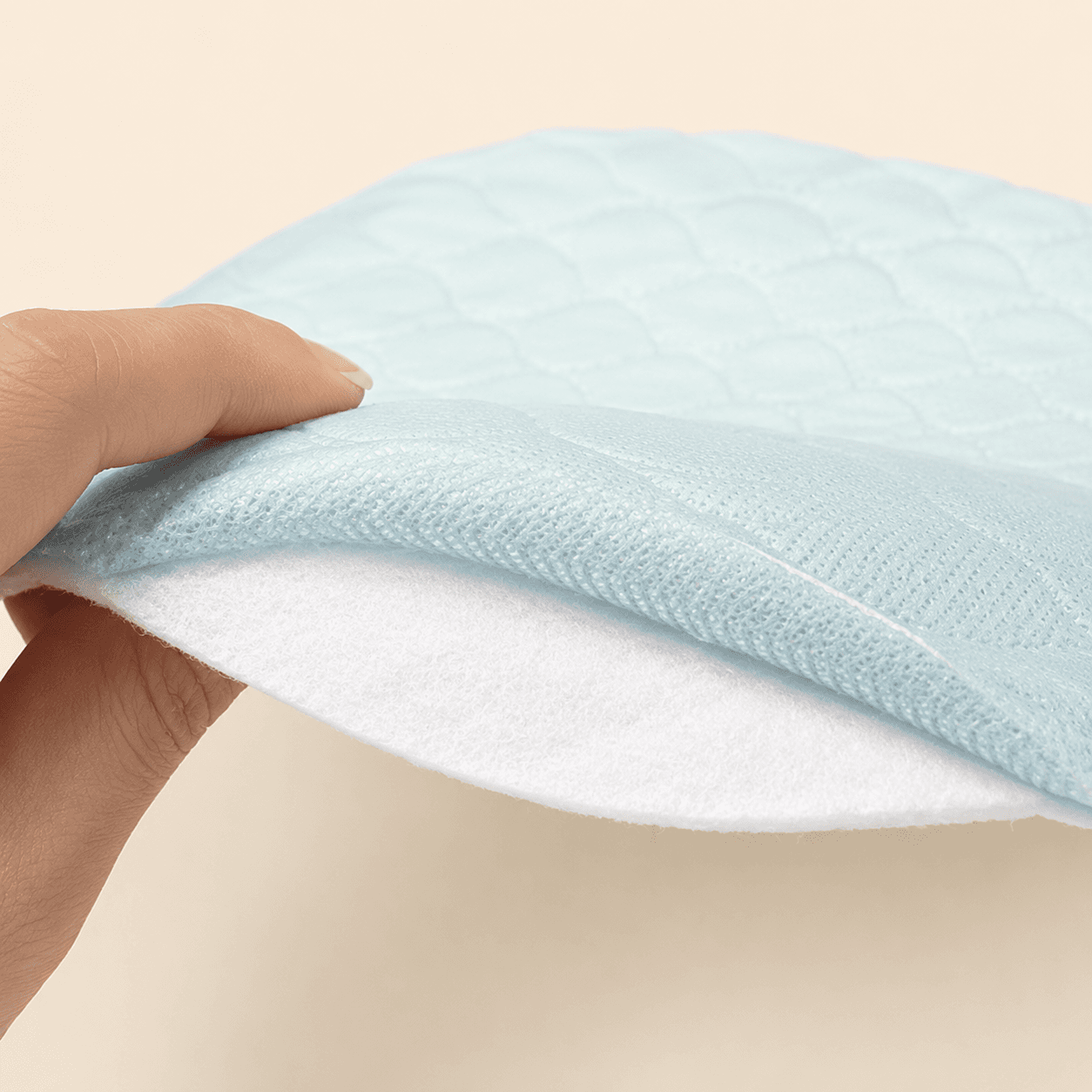
Fiber composition, density, thickness and firmness are aligned with the intended function and conversion process.
Polyester nonwoven fabric provides a versatile base for functional material systems where structure, consistency and downstream conversion matter. Viora coordinates PET nonwoven development and supply with specialized manufacturing partners for international B2B projects.
 P / 01
PET, or polyethylene terephthalate, is the primary polyester fiber used in Viora's needle-punched nonwoven material range. Plant-based fibers, polypropylene / PP or other structures may also be evaluated where the application requires them; this does not mean every product contains each material system.
Supply is primarily engineered nonwoven roll material, with sheets, pads and other converted formats considered where appropriate. Density, thickness, dimensions, firmness and structure can be evaluated around the customer's downstream process rather than treated as one universal specification.
Learn how PET fibers become nonwoven structures and which sourcing specifications matter. ↗This page is the material and construction pillar: it explains polyester / PET as a fiber base and needle punching as the core web-consolidation process. Filtration performance is covered separately on the nonwoven filter media page, while liquid-management requirements are addressed on the hydrophilic nonwoven page.
The ranges below describe confirmed manufacturing capability, not one stock specification. The feasible combination of basis weight, thickness, width, fiber system and format must be confirmed for the selected application.
| Primary fiber | Polyester / PET |
|---|---|
| Construction | Needle-punched nonwoven |
| Basis weight | 80–800 g/m² |
| Thickness | 0.8–8 mm |
| Available width | 14 cm–3 m |
| Primary supply format | Nonwoven roll material / customized width |
| Daily production capacity | Up to 15 tons/day |
Specifications are evaluated with specialized manufacturing partners and confirmed for the intended application, format and validation plan.
Fiber composition, density, thickness and firmness are aligned with the intended function and conversion process.
Roll, sheet and converted component formats can be evaluated according to handling and production requirements.
Where liquid interaction is required, material engineering or an appropriate surface treatment may be considered. PET is not presented as inherently hydrophilic.
Width, dimensions, cutting, compression and assembly requirements can be reviewed with the downstream process in mind.
Engineered structures for liquid acquisition, transfer, retention or moisture-management components.
Explore hydrophilic material development ↗Porous polyester structures considered for air, water and other liquid filtration assemblies.
View nonwoven filtration media ↗Functional layers for absorption, protection, support, insulation or application-specific OEM components.
Documentation available for applicable materials and applications may include:
The applicable documentation depends on the selected material, specification and end-use application. Please contact Viora Materials to confirm the documentation available for your specific project.
Known values help narrow the structure and validation plan. Unknown items can remain open for technical discussion.
Viora will review the project and coordinate the next material-evaluation step with relevant specialized manufacturing partners.