Liquid acquisition
Structures can be evaluated around how quickly and consistently liquid should enter the component.
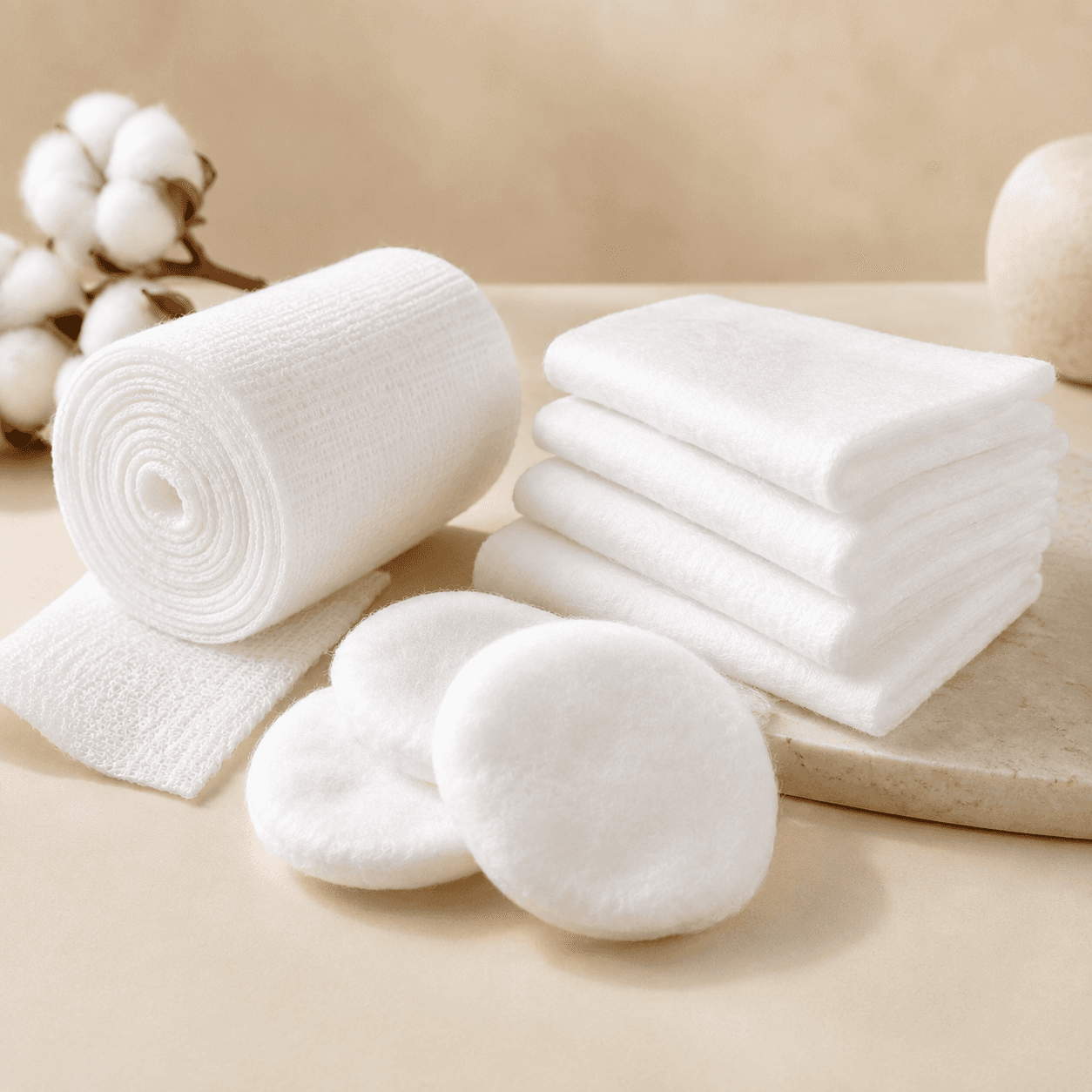
Hydrophilic nonwoven fabric is selected or developed when a structure needs to interact with water, acquire liquid or support moisture transfer. Viora helps B2B customers translate the required liquid behavior into a workable material and supply format.
 P / 02
Hydrophilic fiber-based needle-punched nonwoven structures can be developed through fiber selection, web engineering and an appropriate surface treatment where applicable. The required acquisition, transfer, absorbency or retention behavior should be defined in the context of the finished system.
Polyester or PET may be one possible structural base, but every polyester structure is not inherently hydrophilic. Material construction and treatment choices must be evaluated together with dimensions, contact time, surrounding layers and downstream conversion.
Learn more about the difference between hydrophilic and hydrophobic material behavior. ↗Application-specific absorbent fiber formulations can be developed according to liquid-management and washability requirements. Performance depends on fiber composition, hydrophilic fiber selection, basis weight, thickness, density, structure, surface treatment where applicable, the end-use liquid and washing conditions.
Under the corresponding tested specification, selected absorbent structures can absorb liquid up to approximately 15 times their own material weight. Selected washable absorbent structures are designed for 100+ wash cycles while maintaining their intended liquid-management performance under the corresponding tested specification.
| Construction | Hydrophilic fiber-based needle-punched nonwoven |
|---|---|
| Fiber system | Selected by application; polyester / PET, plant-based fibers or PP may be evaluated where applicable |
| Basis weight range | 80–800 g/m² |
| Thickness range | 0.8–8 mm |
| Available width | 14 cm–3 m |
| Primary supply format | Nonwoven roll material / customized width |
| Selected absorption performance | Up to approximately 15× own material weight under the corresponding tested specification |
| Selected washable formulation | Designed for 100+ wash cycles under the corresponding tested specification |
Specifications are evaluated with specialized manufacturing partners and confirmed for the intended application, format and validation plan.
Structures can be evaluated around how quickly and consistently liquid should enter the component.
Material selection can support movement of moisture toward an absorbent layer or across a functional assembly.
The balance between uptake, holding behavior and compression response depends on the final specification.
Rolls, sheets, pads and custom-cut components can be considered around the customer's production process.
Washable incontinence products, reusable care pads, washable underpads and absorbent hygiene layers developed around the required liquid and care cycle.
Absorbent structures evaluated subject to material validation, end-use testing, documentation and applicable regulatory requirements.
Water-retention and transfer components for floral handling, packaging and distribution systems.
Moisture-management components for produce packs, cold-chain formats and other absorbent packaging applications.
Application-specific pet absorbent layers, pads, sheets or shaped components developed around liquid, dimensions and assembly needs.
Documentation available for applicable materials and applications may include:
The applicable documentation depends on the selected material, specification and end-use application. Please contact Viora Materials to confirm the documentation available for your specific project.
Known values help narrow the structure and validation plan. Unknown items can remain open for technical discussion.
Viora will review the project and coordinate the next material-evaluation step with relevant specialized manufacturing partners.